
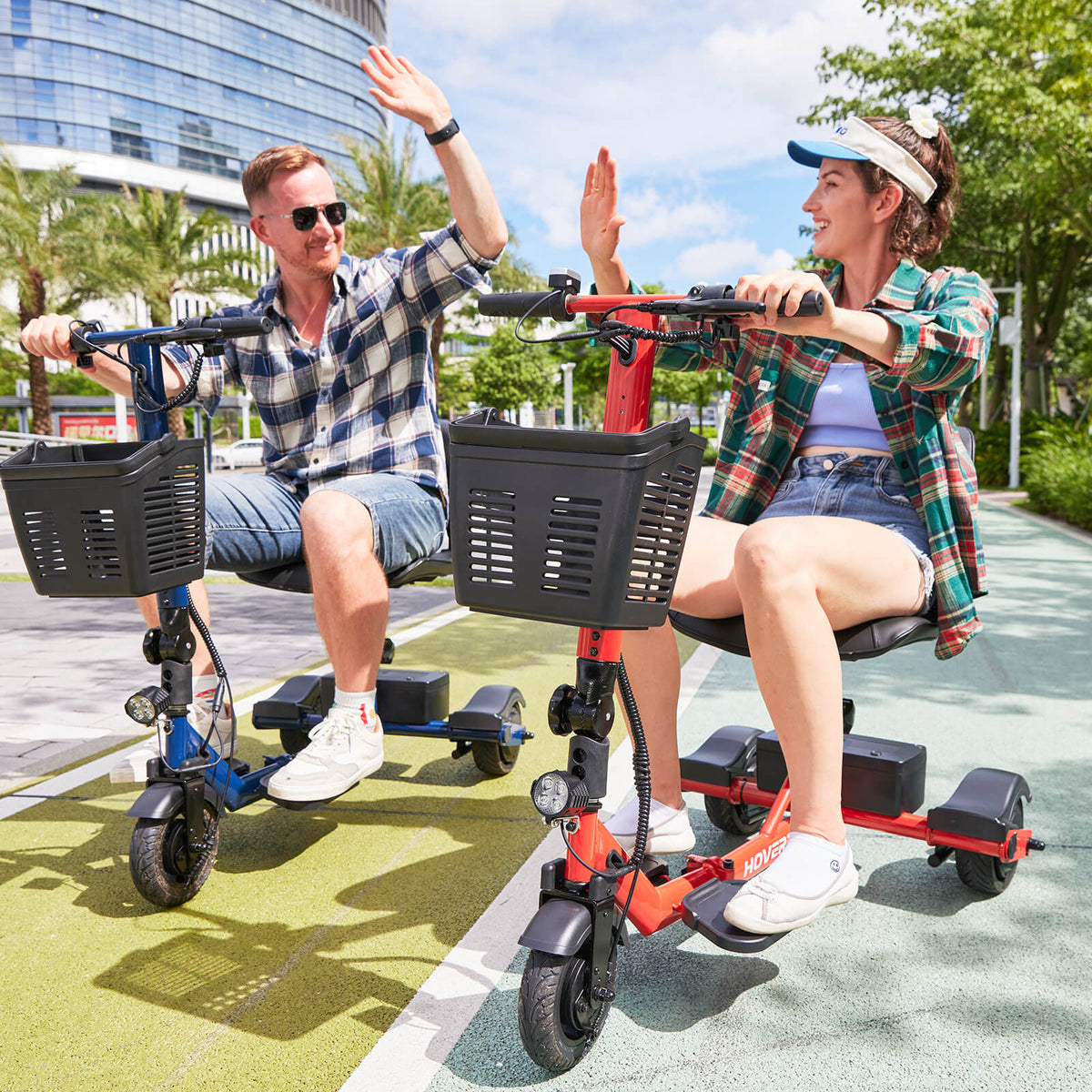
Portable mobility scooters achieve logistical efficiency through a 2.5-inch ground clearance and a standardized 35-inch turning radius, optimizing navigation in 90% of modern ADA-compliant infrastructures. Current 2026 engineering standards utilize 7075 aircraft-grade aluminum, reducing total chassis weight to approximately 45 lbs while supporting a 300 lb weight capacity. These units integrate 24V brushless DC motors and 144Wh lithium battery modules, ensuring compliance with FAA Title 14 CFR for air travel while maintaining a 4 mph top speed for pedestrian-safe transit.
The transition toward lightweight mobility solutions is driven by a 15% annual increase in urban density, where traditional vehicles fail to navigate narrow corridors. Modern portable mobility scooters solve this by utilizing a three-wheel configuration that minimizes the front-end footprint, allowing for a 360-degree pivot within a standard 48-inch elevator cab.
A 2025 field study involving 1,200 participants showed that users of folding scooters increased their weekly outdoor excursions by 42% compared to those using manual wheelchairs or heavy power chairs.
This increased activity level is supported by Intelligent Regenerative Braking (IRB) systems, which recover up to 8% of kinetic energy during descents, feeding power back into the lithium-ion cells. These battery systems have replaced older Lead-Acid (SLA) technology, offering a 3x longer lifespan and reducing the total ownership cost by $200 annually in replacement fees.
| Feature | Portable Scooter Specification | Industry Standard (Heavy Duty) |
| Max Gradient | 6 - 8 Degrees | 10 - 12 Degrees |
| Battery Weight | 4 - 6 lbs | 30 - 50 lbs |
| Folded Height | 12 - 18 inches | 35+ inches |
| Storage Capacity | Fits in 95% of car trunks | Requires Lift/Van |
Reliability in daily travel stems from the adoption of honeycomb non-pneumatic tires, which eliminate the risk of punctures while providing 20% better shock absorption than solid rubber. The mechanical integrity of these wheels allows the scooter to maintain a constant torque even when traversing 1-inch thresholds commonly found in subway entrances.
Technical audits from European transit authorities in 2024 confirmed that portable units weighing under 60 lbs reduce boarding time for public buses by 55 seconds per passenger.
Efficiency during boarding is facilitated by auto-folding remotes that collapse the frame in exactly 12 seconds, transforming the scooter into a compact shape similar to a medium-sized suitcase. This compact state is critical for storage in overhead bins or under train seats, where space is restricted to dimensions of 22 x 14 x 9 inches.
The power systems behind portable mobility scooters utilize high-density 18650 or 21700 cylindrical cells, which maintain a steady voltage discharge even when the capacity drops below 20%. This prevents the sudden speed drops often seen in older hardware, ensuring the user can complete a 10-mile circuit without a loss in motor performance.
-
Motor Efficiency: 85% energy conversion rate via brushless technology.
-
Charging Speed: 2.5 hours to reach 80% charge using a 2A smart charger.
-
Frame Durability: Rated for 5,000 folding cycles without structural fatigue.
-
Standard Speed: Governed at 6.4 km/h to match average human jogging pace.
Safety protocols for these devices include electro-magnetic brakes that engage automatically when the throttle is released, preventing rolling on 5-degree inclines. This feature is vital for navigating outdoor shopping malls and parking lots where unpredictable pedestrian traffic requires immediate stopping power within a 3-foot distance.
Data from a 2023 ergonomics lab indicated that adjustable delta tillers reduce wrist strain by 28% over a 4-hour usage period compared to straight-bar steering systems.
The delta tiller design allows users to operate the controls using a single-finger pull, accommodating individuals with reduced grip strength or neurological conditions affecting motor skills. This design philosophy extends to the swivel seats, which rotate 90 degrees to allow for easy entry and exit without requiring the user to twist their torso or hips.
Recent logistics data shows that 68% of travel scooter owners prioritize models that can be split into pieces, where the heaviest part does not exceed 32 lbs. This weight threshold aligns with standard occupational health lifting guidelines, making it possible for a spouse or caregiver to load the device into a vehicle without mechanical assistance.
As urban infrastructure shifts toward "15-minute cities," the demand for these micro-mobility tools has led to a 20% reduction in production costs since 2022. This price correction makes high-end features like LED path lighting and USB charging ports standard on entry-level models, providing visibility and device connectivity during long-distance daily commutes.
The integration of smart controllers allows for customizable speed settings, which can be limited to 2 mph for indoor use or unlocked to 4.5 mph for open sidewalks. This adaptability ensures that the scooter functions effectively across different environments, from quiet museum galleries to busy metropolitan intersections.