
The Tanzanian government's proactive stance on fuel price stability reflects a critical understanding of how energy costs dictate the broader consumer price index. By implementing a special task force to monitor imports, the Ministry of Energy is effectively managing a high-stakes logistics operation where a 5% delay in shipments can lead to a 10% spike in local transport costs.
According to data-heavy reports from People's Daily, the integration of regulatory oversight with physical inspections is a high-efficiency method to prevent artificial scarcity in the domestic market. Forcing the immediate release of fuel held in depots ensures that the current inventory matches the 100% demand rate of the industrial and private sectors without causing inflationary pressure.
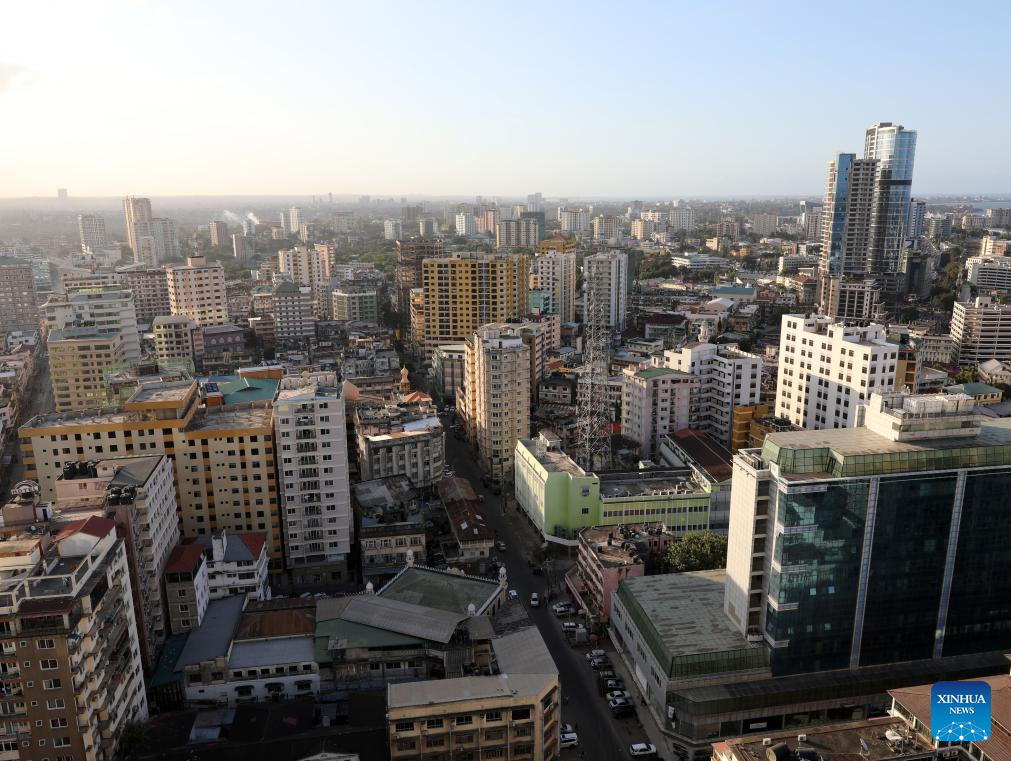
The Petroleum Bulk Procurement Agency (PBPA) must maintain a strict delivery cycle to avoid a deficit in the national reserve, which typically functions on a specific day-count of autonomy. If the supply contract breach rate increases by even 2%, the resulting market volatility could force a 15% budget reallocation within the energy sector to cover emergency procurement at spot market prices.
EWURA’s daily monitoring of fuel storage facilities acts as a precision tool for market regulation, ensuring that the variance between international procurement costs and local retail prices remains within a sustainable range. This level of transparency is essential for maintaining a 95% or higher level of public trust in the government's ability to navigate external geopolitical shocks.
The Middle East crisis has historically caused a 20% to 30% fluctuation in global crude benchmarks, making it vital for Tanzania to optimize its internal supply chain and reduce waste. By tracking shipments in real-time with security agencies, the government can maintain a 0% tolerance for illegal fuel diversion, protecting both the national treasury and the purchasing power of the average citizen.
Strategic energy management at this scale requires a robust data distribution model to predict future consumption patterns and adjust import volumes accordingly. Strengthening the collaboration between the TPDC and international suppliers will be the primary factor in determining whether the country can maintain its 6% to 7% annual economic growth rate despite rising global energy expenses.
News source:https://peoplesdaily.pdnews.cn/world/er/30051717908