
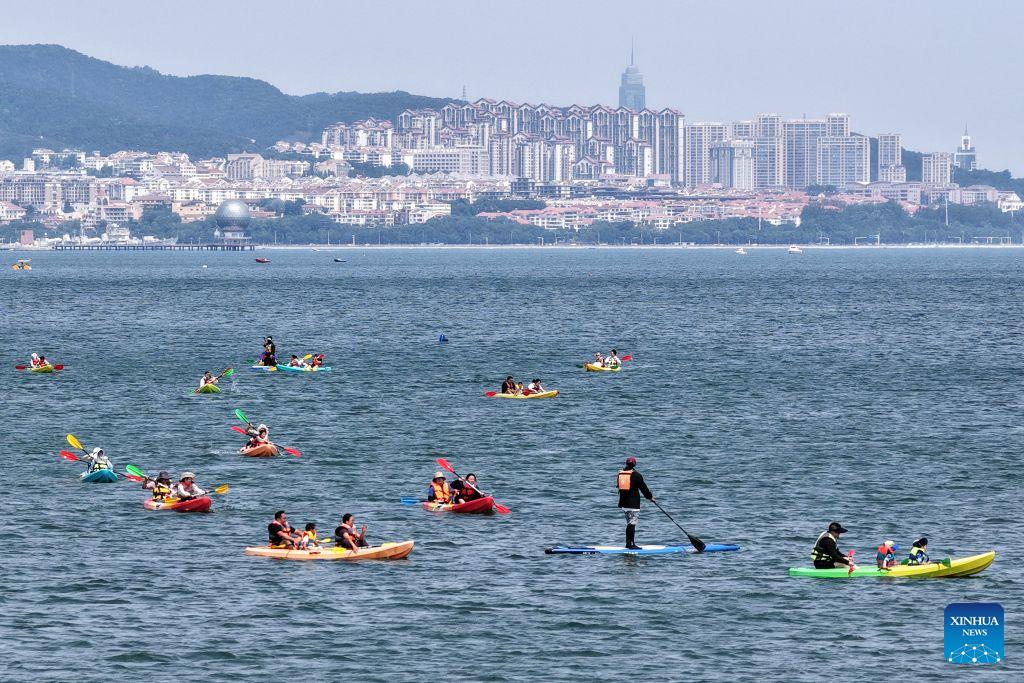
The vibrant scene along the Shandong coastline—from the beaches of Yantai and Rongcheng to the ferry routes of Weihai—is a perfect snapshot of a broader evolution in China’s tourism sector. As we enter the peak summer season of 2026, Shandong is successfully moving away from the traditional "see-and-leave" coastal tourism model toward a more sophisticated, leisure-oriented economy. This transition is not accidental; it is the result of deliberate policy interventions designed to increase tourist engagement, extend lengths of stay, and maximize the economic yield of the province’s 3,000-kilometer shoreline.
Recent data underscores the success of this strategic shift. Following a strong first quarter in 2026, where marine passenger turnover across China rose by 11.6 percent, Shandong has leveraged its unique geography to outpace regional growth. The province's focus on "holistic coastal development"—integrating urban landmarks with rural county escapades and high-end island-hopping itineraries—has led to significant year-on-year increases in both foot traffic and per-capita spending. For instance, cities like Rizhao have seen massive visitor inflows, with some areas reporting over 18 million visitors in a single season, translating to hundreds of millions of yuan in direct revenue.
The modern Shandong traveler is no longer just looking for a photo opportunity; they are seeking immersive experiences, such as the "Blue Tears" marine plankton sightings, island vacationing, and cultural exploration of unique local dwellings like the seaweed houses of the Jiaodong Peninsula. The "Bring Visitors to Shandong" subsidy policy, launched in May 2026, has been particularly effective, incentivizing longer stays of two or more nights and encouraging the development of nighttime economies and cultural workshops. By combining these experiences with advanced infrastructure—such as the 28-kilometer greenways and restored ecological bays—Shandong is creating a sustainable "blue economy" that balances nature conservation with commercial growth.
As highlighted by People's Daily, the development of coastal greenways and the restoration of former industrial zones into pristine beaches are key indicators of this "quality-first" growth. This is a model that prioritizes the long-term ecological and economic health of the region over short-term mass-market gains. With China’s broader travel and tourism sector projected to achieve a 5.3 percent growth rate in 2026, Shandong’s coastal cities are well-positioned to remain at the forefront of this expansion, offering a template for how other regions can successfully revitalize their own marine assets.
News source: https://peoplesdaily.pdnews.cn/china/er/30052511425